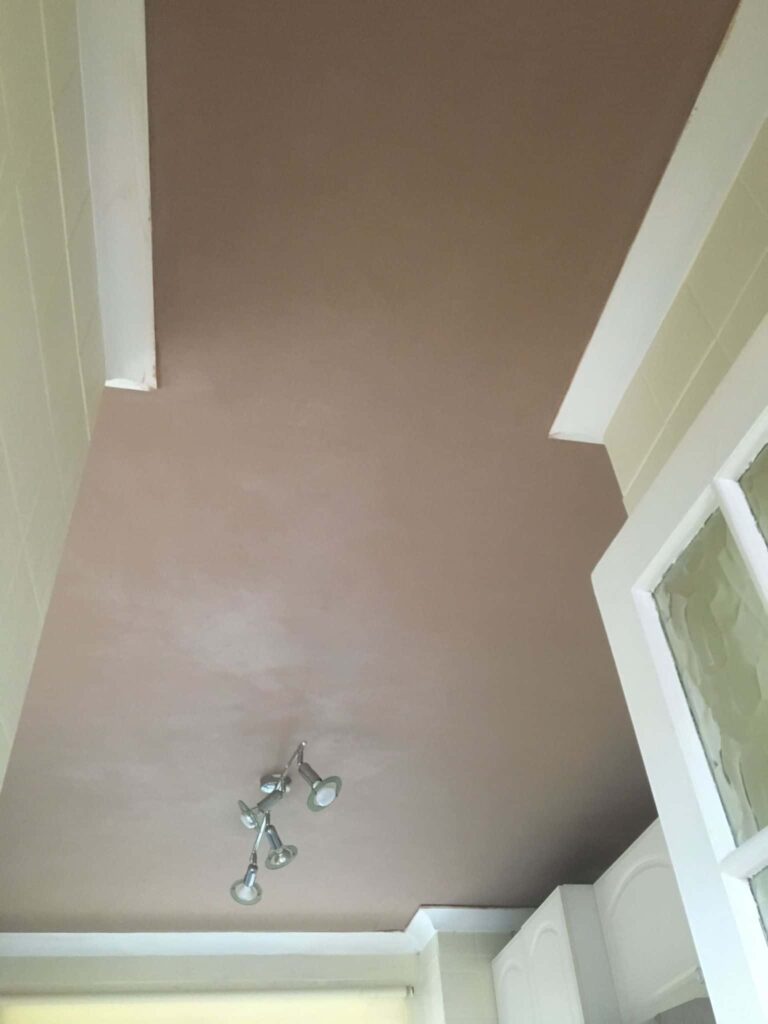
When Should You Repair a Cracked Plaster Wall?
A crack in a plaster wall can be a minor surface defect, but it can also indicate that the plaster has lost adhesion or that movement is continuing beneath the finish. Repairing it at the right time involves more than filling the visible line. The cause, depth and stability of the surrounding plaster must also be considered.
For property owners in Buxton, Derbyshire, an early professional assessment can prevent a localised defect from spreading and help ensure that the finished repair remains smooth and stable.
How to Decide When a Plaster Crack Needs Repair
Small cracks are common as plaster dries, materials settle and buildings respond to changes in temperature and humidity. Not every mark requires extensive work, but a crack that grows, returns or affects loose plaster should not be ignored.
Before repairing the surface, it is important to establish whether the crack is stable and whether another problem is contributing to it.
The Crack Is Becoming Wider or Longer
A fine, stable crack may require only a localised repair. If the line is widening, extending across the wall or branching into other cracks, further movement may be taking place.
Marking the ends lightly and checking the area over time can help reveal whether the crack is changing. Repeated movement should be investigated before the wall is replastered, as a surface-only repair may open again.
The Same Crack Keeps Returning
A crack that reappears after filling usually has an unresolved cause. The previous repair may not have been prepared correctly, or movement between different materials may be placing stress on the same area.
Recurring cracks are commonly found:
- Around door and window openings
- Where walls meet ceilings
- Along plasterboard joints
- Where different wall materials meet
- Above areas that have been patched previously
- Around service chases and other repaired sections
The surrounding surface should be checked so the repair can be reinforced or extended where necessary.
The Plaster Sounds Hollow
Plaster should remain firmly bonded to the surface behind it. If tapping around the crack produces a hollow sound, part of the plaster may have separated from the background.
Loose or “blown” plaster can crack, bulge and eventually break away. Applying filler over it will not restore the bond. The unstable material normally needs to be removed back to a sound edge before the area is rebuilt and finished.
The Surface Is Bulging or Flaking
Bulging, crumbling or flaking plaster indicates that the problem extends beyond a fine surface crack. The affected material may have lost strength through age, poor adhesion or moisture exposure.
A professional plasterer can determine how much of the wall remains sound. Removing only the visibly loose fragment may leave weakened material around the repair, causing the edges to fail later.
There Are Signs of Moisture
Discolouration, softness, staining or repeated bubbling near a crack can indicate moisture within the wall. Plaster should not be repaired until the source has been identified and the affected area has dried appropriately.
Covering damp plaster can lead to:
- The crack returning
- Poor adhesion
- Staining through the new finish
- Flaking paint
- A soft or powdery surface
- Further deterioration around the repair
A sound result depends on correcting the moisture problem before restoring the plaster.
The Crack Appeared After Building Work
Alterations, new openings, service installation and other work can disturb existing plaster. Cracks may appear where materials have been cut, joined or patched.
The repair method should reflect what lies beneath the surface. For example, a plasterboard joint may require different preparation from a crack in solid plaster. Understanding the wall construction helps prevent unsuitable materials being applied.
The Crack Is Affecting a Large Area
A network of fine cracks across an entire wall may indicate widespread surface deterioration rather than one isolated defect. The existing finish could be poorly bonded, overly thick or incompatible with previous layers.
In this situation, filling each line individually may create an uneven result without improving the wall’s overall stability. The surface may need broader preparation, removal of unsound material or a new finishing coat.
You Are Planning to Redecorate
Cracks should be assessed before painting or applying a new wall finish. Decoration can make a room look complete temporarily, but it will not stabilise damaged plaster.
Repairing the wall first allows time for preparation, drying and finishing. It also reduces the likelihood of the crack showing through the new decoration shortly afterwards.
When Is a Localised Repair Suitable?
A focused repair may be appropriate when:
- The crack is narrow and stable
- The surrounding plaster is firmly bonded
- There are no signs of moisture
- The background remains sound
- The defect has a clear, non-recurring cause
- The damage is confined to a small area
The crack should be opened and prepared sufficiently for the repair material to bond. Simply wiping filler over the surface may conceal it briefly but often produces weak edges.
When Might Replastering Be More Appropriate?
Replastering a larger section may be necessary when the existing plaster is loose, extensively cracked or uneven. It may also be the better approach where several old patches have created an inconsistent surface.
The affected area should be taken back to stable material before new plaster is applied. Preparation may include securing the background, treating joints appropriately and building the repair in suitable layers.
The objective is not merely to hide the crack but to create a sound, even finish that integrates with the surrounding wall.
What Should a Professional Assessment Check?
Before work begins, a plasterer should consider:
- The crack’s width, depth and pattern
- Whether it is still changing
- The condition of the surrounding plaster
- Signs of dampness or staining
- The type of wall beneath the finish
- Previous repairs
- Hollow or loose areas
- Whether a local repair or wider replastering is appropriate
This assessment helps prevent unnecessary work while ensuring that hidden weaknesses are not overlooked.
Conclusion
A cracked plaster wall should be repaired when the defect is growing, recurring, surrounded by loose material or linked to moisture. Small stable cracks may need only local attention, while hollow, bulging or extensively damaged plaster can require a wider repair.
Buxton Plastering provides professional plaster repairs and finishing in Buxton, Derbyshire. If you have noticed cracks, loose plaster or an uneven wall surface, contact our team to arrange an assessment and discuss the appropriate repair.
Call us on: 01298 608 485
Click here to find out more about Buxton Plastering
Click here to complete our contact form and see how we can help with your plastering needs.