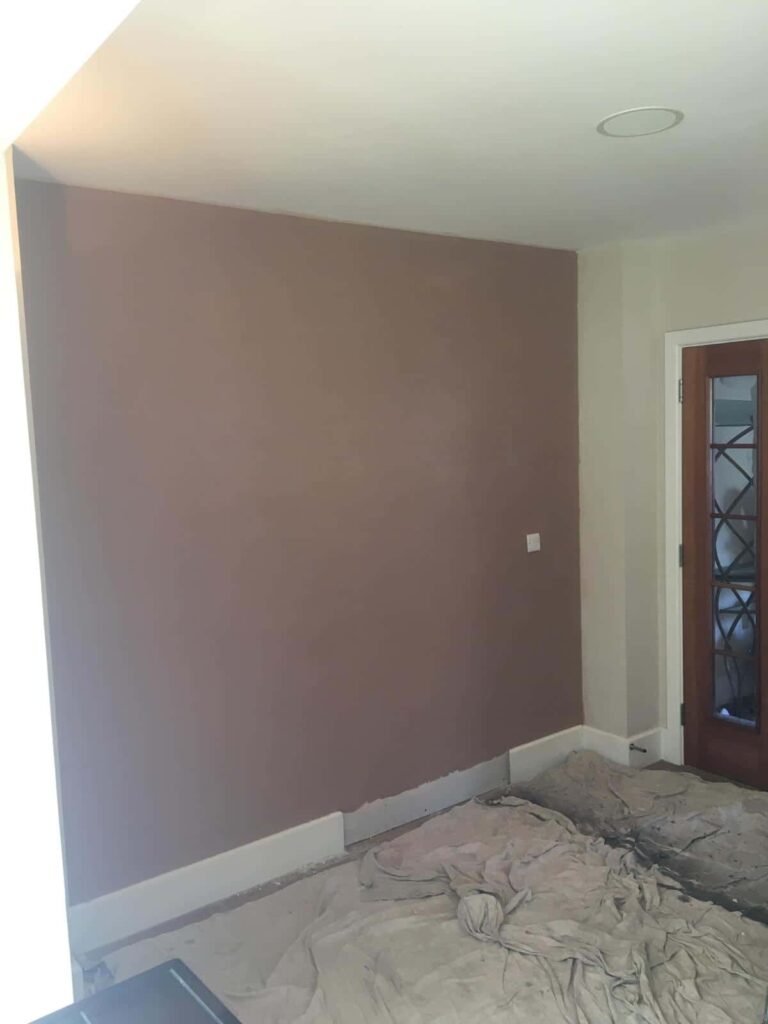
Renovating an Older Property? When Should Plastering Work Be Carried Out?
Renovating an older property often involves considerably more than improving its appearance. Walls and ceilings may contain ageing plaster, previous repairs, uneven surfaces, cracks or areas that have been altered repeatedly over the years. Before decorating can begin, these surfaces often need careful assessment and preparation.
For homeowners renovating properties in Buxton, Derbyshire, the timing of plastering work can make a significant difference to the efficiency of the project and the quality of the finished interior. Plastering generally needs to take place after disruptive work that could damage finished surfaces, but early enough that the new plaster has sufficient time to dry before subsequent finishing and decorating.
Understanding where plastering fits within the renovation sequence can help avoid unnecessary reworking and create a much better foundation for the finished rooms.
At What Stage of an Older Property Renovation Should Plastering Be Completed?
In most renovation projects, plastering should be carried out once the underlying walls and ceilings are ready and major work affecting those surfaces has been completed. It should normally come before final decorating, fitted finishes and other work that could be complicated by wet plaster or surface preparation.
However, older properties rarely follow an identical renovation sequence. Existing plaster may need repairing or removing, new openings may have been created, ceilings may require attention and different rooms can be at different stages.
The correct timing therefore depends on the condition of the property and what other work is being carried out.
Assess Existing Plaster Before Planning the Schedule
One of the first questions should be whether the existing plaster can remain.
Age alone does not mean plaster automatically needs replacing. Some older surfaces may be generally sound but require localised repairs or a new skim to improve their finish. Other areas may contain extensive cracking, loose material or previous repairs that have not remained stable.
Assessing the existing condition early helps determine the amount of plastering required and where it should sit within the wider renovation programme.
Distinguish Between Cosmetic Imperfections and Failing Plaster
Not every uneven wall requires extensive work.
Minor surface imperfections can sometimes be addressed through appropriate preparation and skimming. However, plaster that has become loose from its background or deteriorated extensively requires a different approach.
Applying a new finish over an unsuitable underlying surface does not address the weakness beneath it. Professional assessment helps determine whether existing plaster provides an appropriate base before further work begins.
Complete Major Structural Alterations First
Plastering should generally follow substantial alterations that affect the walls or ceilings.
Creating or changing openings, removing sections of wall and carrying out other disruptive work can produce vibration, debris and physical damage around nearby surfaces. Completing a fine plaster finish beforehand risks having to repair it again later.
Scheduling plastering after these alterations allows disturbed areas to be made good as part of the same stage of work.
Complete Necessary First-Fix Work Before Plastering
Renovation projects frequently involve services concealed within or passing through walls and ceilings.
Where channels, openings or access points are required, these should normally be completed before the final plaster finish is applied. Otherwise, newly finished walls may need to be disturbed again.
Good sequencing allows the plasterer to work with surfaces that are genuinely ready to receive their final preparation.
Do Not Rush to Plaster Walls That Still Need Investigation
Older properties can reveal unexpected conditions once renovation begins.
Removing coverings, old fittings or previous finishes may expose cracks, damaged backgrounds or areas that require further attention. Immediately covering everything with fresh plaster can hide issues that should first be understood.
Allowing time for proper inspection before plastering helps ensure the new finish is being applied to a suitable surface.
Remove Unsuitable Wall Coverings Before Assessment
Wallpaper and other decorative coverings can conceal the true condition of older plaster.
Once removed, previously hidden cracks, patch repairs and uneven sections may become visible. Some areas may be perfectly suitable for preparation and skimming, while others may need more substantial attention.
This is why the plastering requirement is often easier to determine once existing decorative finishes have been removed.
Cracks Need to Be Assessed Before They Are Covered
Fresh plaster can make a cracked wall look smooth again, but simply covering a crack does not necessarily address why it appeared.
The type and extent of cracking should be considered before finishing work begins. Some cracks may relate to the plaster itself, while others may require different preparation.
The important principle is that visible defects should be understood before they disappear beneath a new finish.
Loose Plaster Requires More Than a New Skim
Skimming can provide an excellent finish when the existing background is suitable, but it cannot make an unstable base sound.
If sections of old plaster are loose, hollow or failing, those areas need appropriate attention before a new finishing coat is considered. Otherwise, the new surface remains dependent on material that is already deteriorating.
Professional preparation is therefore just as important as the visible plaster finish.
Older Walls May Not Be Perfectly Straight
One characteristic frequently encountered during renovation is variation across existing wall surfaces.
Older walls may contain previous repairs, different backgrounds and natural irregularities that have developed over many years. The appropriate plastering approach depends partly on the finish required and the condition of the existing substrate.
Understanding this before work begins helps establish realistic objectives for each room.
Previous Repairs Can Create an Uneven Background
A wall may have been repaired several times during the life of a property.
Different materials, patch depths and finishing techniques can leave a surface containing numerous subtle changes. These may become particularly noticeable once old wallpaper or other coverings are removed.
Appropriate preparation and plastering can bring suitable surfaces together into a much more consistent finish.
Ceilings Should Be Included in the Renovation Assessment
Walls naturally receive much of the attention during refurbishment, but ceilings can have an equally strong influence on the finished appearance of a room.
Older ceilings may contain cracks, previous patches or uneven areas that become increasingly obvious after the walls are improved. Assessing walls and ceilings together can therefore create a more coherent renovation plan.
Where ceiling work is required, its timing should be coordinated with the remainder of the plastering.
Plastering Should Usually Precede Detailed Decorating
Paint and other decorative finishes rely heavily on the surface beneath them.
Trying to compensate for poor plasterwork through decorating can result in imperfections remaining visible, particularly under natural or directional lighting. Preparing the walls correctly first provides decorators with a much better surface on which to work.
Plastering should therefore be considered part of the preparation for decoration rather than an afterthought once decorating has already begun.
Fresh Plaster Needs Time Before Decoration
Completing plastering does not mean the wall is immediately ready for its final decorative finish.
New plaster contains moisture and needs appropriate drying time. The precise period varies according to the work completed, thickness, background and environmental conditions.
Allowing this stage to happen naturally should form part of the renovation schedule rather than trying to move immediately from plastering to final decoration.
Planning Drying Time Helps Avoid Delays Later
One advantage of scheduling plastering properly is that drying can take place while suitable other parts of the renovation progress.
If plastering is left until too late, the entire decorating programme may have to wait for surfaces to become ready. By planning the work at an appropriate stage, this necessary period becomes part of the renovation rather than an unexpected interruption.
Good sequencing can therefore make the overall project more straightforward.
Flooring and Finished Surfaces Should Be Considered
Plastering is a working trade process involving preparation, materials and access around the walls and ceilings.
Where possible, it is sensible to complete plastering before delicate final finishes make access more restrictive. If certain finished surfaces are already present, they need appropriate protection while work is carried out.
Thinking about these practical details beforehand can make the plastering stage considerably more efficient.
Different Rooms Do Not Always Need Identical Work
An older property may contain rooms in very different conditions.
One bedroom might require only limited preparation and skimming, while another room may contain damaged plaster requiring more extensive attention. A hallway or ceiling may present different challenges again.
Treating the entire property as though every surface requires the same process can result in unnecessary work. Assessment room by room provides a more proportionate approach.
Plaster Repairs Can Be Appropriate for Localised Damage
Where most of a wall remains sound, removing all existing plaster may not be necessary.
Localised damaged areas can sometimes be repaired and prepared so that they integrate with the surrounding surface. The suitability of this approach depends on the condition and stability of the remaining plaster.
Retaining sound material while addressing genuinely defective sections can be an effective approach during renovation.
Skimming Can Transform Suitable Existing Surfaces
Some older walls are fundamentally sound but have accumulated years of minor imperfections.
Small surface irregularities, old repair marks and general unevenness can prevent decoration from achieving the desired finish. Where the existing background is appropriate, skimming can create a smooth and consistent surface without unnecessarily removing sound plaster.
Correct preparation remains essential because the new finish depends on the quality of the surface beneath it.
Dry Lining May Form Part of Some Renovations
Not every wall is best approached in exactly the same way.
Depending on the construction and renovation requirements, dry lining may be appropriate for certain areas. It can create a suitable surface for subsequent plaster finishing where the circumstances support its use.
Professional assessment helps determine whether repairing existing plaster, replastering, skimming or another preparation method is appropriate for each part of the property.
Do Not Plaster Simply to Hide an Unresolved Problem
A fresh plaster finish can dramatically improve the appearance of a room, but its purpose should not be to conceal defects that still require attention.
Where a wall or ceiling has an underlying problem, that issue should be understood and appropriately addressed before the final plastering stage. Covering a problem because it is visually inconvenient can result in the new finish being affected later.
Good renovation work begins with the condition beneath the finished surface.
Coordinate Plastering With the Wider Renovation
Plastering rarely happens completely independently of other trades.
Changes to walls, ceilings, openings and services can all influence when surfaces become ready. Coordinating these stages reduces the likelihood of newly plastered areas being cut into, damaged or altered shortly afterwards.
For larger renovations, deciding the sequence before finishing work begins can prevent considerable unnecessary disruption.
Room-by-Room Renovations Need Careful Planning Too
Not every renovation involves stripping an entire property at once.
Homeowners may improve one room before moving to the next. In this situation, plastering can be scheduled individually once each room has completed the disruptive preparation stages.
The same principle still applies: understand what needs changing, complete work that affects the wall or ceiling, prepare the background and then carry out the appropriate plastering.
Good Plastering Creates the Foundation for the Finished Interior
Plastering is sometimes considered mainly in terms of achieving smooth walls, but its contribution to a renovation is broader.
Walls and ceilings form a large proportion of every room’s visible surface. Unevenness, poor patches and inconsistent finishes can remain noticeable regardless of the quality of subsequent decoration.
Well-executed plastering provides the clean, consistent background that allows the remainder of the interior work to present properly.
Why Professional Plastering Adds Value During Renovation
Older properties can contain a mixture of original surfaces, previous repairs and later alterations, making it difficult to know what level of plastering is genuinely necessary.
At Buxton Plastering, we assess the existing walls and ceilings before determining an appropriate approach. For renovation projects in Buxton, Derbyshire, this can involve identifying which areas can be retained, where repairs are suitable and which surfaces require more comprehensive preparation and plastering.
The aim is to carry out the work at the correct stage and according to the actual condition of the property rather than automatically applying the same solution everywhere.
Planning Ahead Can Prevent Work Being Done Twice
One of the simplest principles in renovation is to avoid finishing a surface that will soon need disturbing again.
If further work needs access behind a wall, requires channels to be formed or is likely to damage surrounding plaster, completing the final plaster finish beforehand creates unnecessary repetition.
Establishing the sequence early allows plastering to become the transition between disruptive renovation work and the final decorative stages.
Conclusion
When renovating an older property, plastering should generally be carried out after disruptive alterations and necessary work affecting walls and ceilings have been completed, but before final decorating and other delicate finishes. Existing plaster should also be properly assessed so that sound material can be retained where appropriate and defective areas receive the preparation they require.
The condition of older walls can vary considerably from room to room. Cracks, loose plaster, previous repairs and uneven backgrounds should be understood before a new finish is applied. Correct timing and preparation help ensure that plastering provides a suitable foundation for the rest of the renovation.
If you are renovating an older property in Buxton, Derbyshire, contact Buxton Plastering. We can assess your walls and ceilings and recommend appropriate plastering, repairs or finishing work at the right stage of your renovation project.
Call us on: 01298 608 485
Click here to find out more about Buxton Plastering
Click here to complete our contact form and see how we can help with your plastering needs.